
Once a key hub of Scotland’s coal mining and manufacturing industries, Bellshill sits between Motherwell and Uddingston, playing a vital role in the region’s industrial past and providing employment for generations of local families.
The story of Bellshill begins long before its industrial era or its association with coal. Evidence of ancient activity appears in the Roman Road that ran from the Castledykes fort near Carstairs to the western end of the Antonine Wall at Old Kilpatrick. Not far from the area, at Bothwellhaugh, stood another Roman fort complete with a bathhouse. These Roman sites likely date to around 150 AD, though almost no trace of the road remains today.
Little is known about Mr. Bell, possibly Patrick Bell, a seventeenth-century Provost of Glasgow. He owned land here, including a mill, giving rise to a village called Bellmill. This settlement, believed to be near the local quarries, eventually disappeared. A new village developed east along the main turnpike road connecting Glasgow and Edinburgh. Known as Crossgates, it featured a tollgate and an inn for travelers. By around 1820, the village had grown and adopted the name Bellshill, a title reflected today in the road name Cross Gates.
Railways became vital, with Bellshill boasting two stations by 1879. Tramways arrived in 1913 but were soon replaced by buses. The 1725 bypass, built in 1967, eased modern traffic. Bellshill also hosted industries such as the Bothwell Park brickworks, operational from 1902 until the 1940s.
Bellshill became home to many Lithuanian immigrants, many of whom worked in the mines. Tragedies, like the 1910 Hattonrigg shaft accident, remind us of the mining risks. Nearby Orbiston House hosted social experiments, including a short-lived Robert Owen-inspired community, with the area’s street names, Babylon Road, Liberty Road, preserving its memory.
By the mid-20th century, local loal pits closed, and miners’ housing was replaced with modern homes. Today, Bellshill is a thriving town of around 22,000 people, with schools, shops and active rail connections. Though its industrial heyday has passed, the town continues as a vibrant, residential community.
Looking for your next great opportunity? We’re here to connect you with employers who value your skills and experience. Our team is dedicated to helping you find a job that matches your goals.

Our team of expert professional recruiters will provide you with an unparalleled level of service tailored to your specific needs. We guarantee you a unique, personalised recruitment solution where you come first.
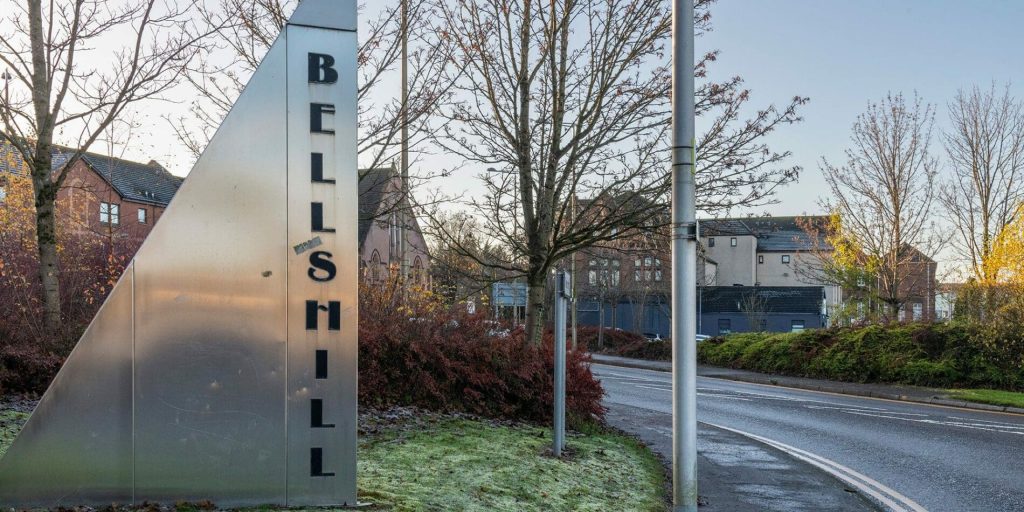
Bellshill is a welcoming town in North Lanarkshire that blends strong community spirit with excellent connections...